silence as necessity
sometimes a poem is nothing more than a platitude

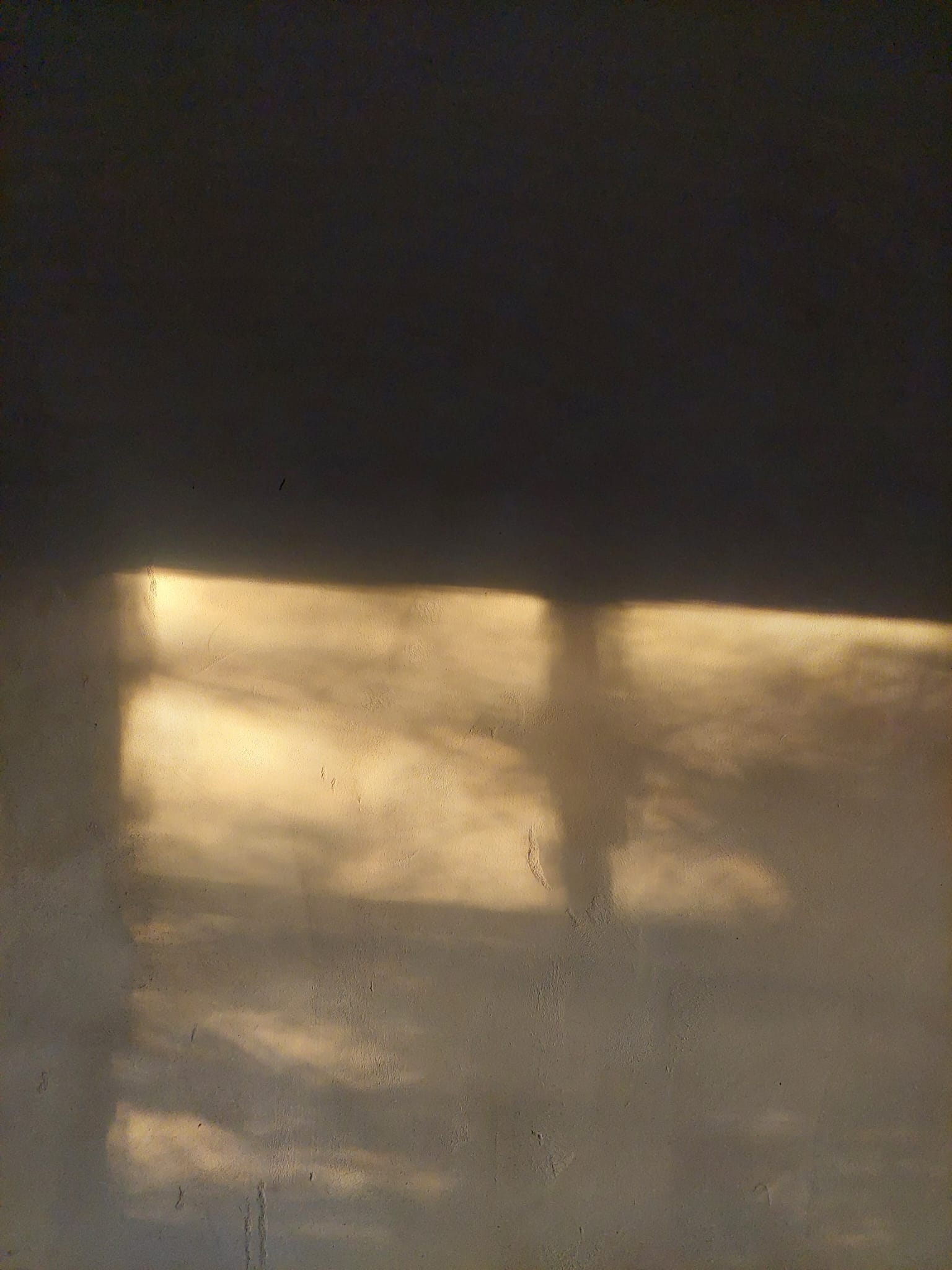
It is dusk and I cannot hear the swifts screaming, circling the building and plunging underneath the roofs to feed their young. I register this as I sit in the last of the light I can enjoy, preparing for the upcoming heatwave, the third or fourth one this summer. I notice this now, but I haven’t heard the swifts for weeks now. I think back to the first heatwave, the amount of texts from distressed friends finding swifts dying of heat on the pavement or in their gardens. How it felt like divine catastrophe, birds falling down from the sky in a horrible steady rain. It has been weeks now, and I have sat in this silence and only now considered it was the sound of death.
I open Instagram and swipe through images of the fires across Europe, around the Mediterranean, all over North America. The occasional barbecue recipe. Dozens of poems about this once again apocalyptic summer, the fever taking hold of us, the unimaginable amount of death, the smoke greying the sky from faraway fires.
I wonder, truly, how we all do it. How do you do it? How do you sit here and write a poem? How do we sit here and write platitudes about the world burning, about the smoke and the heat, about what the fire and the ash? How do we, from relatively safe homes, from running water and electricity, write obsessively about our apparently nearing end?
I think back to Fanon’s introduction of Black skins, white masks. Writing: this is the truth that comes after the fever.
I am afraid we have lost this ability. We are caught in seemingly endless cycles of violence, incapable of taking a step back. Incapable of taking hold of a bigger picture, of ties between our struggles. Mentally jailed by an algorithm that loves to feed into our belief that the world is ending.
So, I write to you in hope that in spite of all this, we might push beyond the urge to constantly comment our way through this landscape of doom. So we might make room for grief, for the deathly silence of the swifts, for the losses so great we may never process them within this lifetime. The fever might not fall but we need to be able to listen to those of us who suffer the greatest losses, to hold each precious life close.
There is no rush to create more matter for our despair. There is, however, a need not to ignore this fracture. To dive deep into it and rescue all the morcels we can. If there is to be poetry, it will need to be able to draw new paths for survival, lit by the smallest of lights. May we learn to care for the ruins of this old world instead of gawking uselessly at its destruction.